
Leite creme
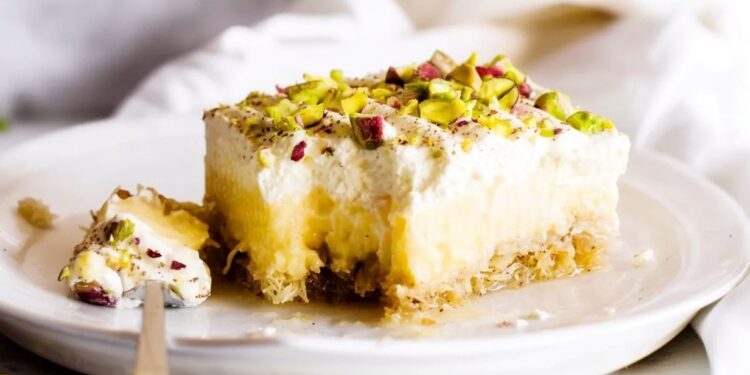
Leite creme is Portugal’s answer to crème brûlée — or perhaps the other way around, depending on which food historian you ask. The French point to a 1691 reference, the English make their own...
Hi, I’m Maria — born in a small village in northern Portugal and now cooking from my kitchen in the USA, where I live with my husband, our two kids and Max the dog. On Maria’s Cookbook I share the recipes I grew up with — from my Trás-os-Montes family table to my grandmother’s Azorean kitchen — along with Mediterranean favorites and dishes I’ve fallen in love with along the way.
Leite creme is Portugal’s answer to crème brûlée — or perhaps the other way around, depending on which food historian you ask. The French point to a 1691 reference, the English make their own...
Baba de camelo — “camel drool” — wins the prize for Portugal’s least appetizing name attached to one of its most beloved desserts: an airy caramel mousse made from exactly two ingredients, boiled condensed...
Chicken Mozambique is a dish with a passport: born of Portugal’s long culinary conversation with Mozambique, it truly flourished in the Portuguese communities of New England, where it is a menu staple from New...
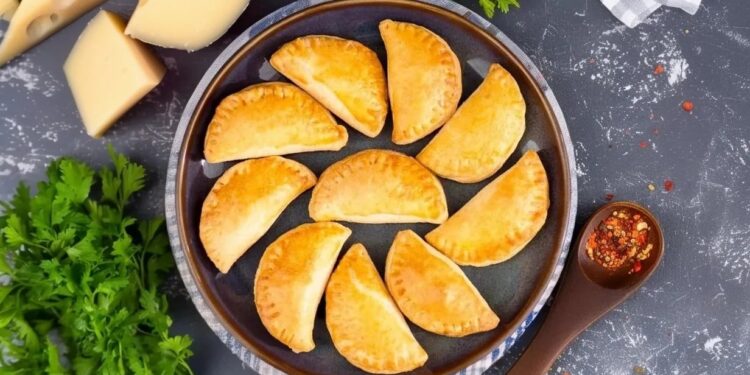
Empadas de bacalhau are the little pies you see behind every Portuguese café counter, and the codfish version is a favorite: buttery, flaky pastry around a savory filling of salt cod, onion, garlic, tomato...
If Portugal had a national snack, pastéis de bacalhau would win without a recount. These codfish fritters — crisp outside, fluffy inside — appear at every festa, every café counter and every grandmother’s table,...
One of my fondest memories of growing up Portuguese is my mother making bolo de bolacha — a “cookie cake” of coffee-soaked Maria biscuits layered with fluffy butter cream. When the smell of strong...
Natas do céu means “cream from heaven,” and for once the name is not an exaggeration. This is one of those desserts that shows up at every Portuguese family gathering — my mother always...
Encharcada belongs to Portugal’s great family of doces conventuais — convent sweets. The nuns of Évora used egg whites to starch their habits and clarify wine, which left mountains of yolks — and out...
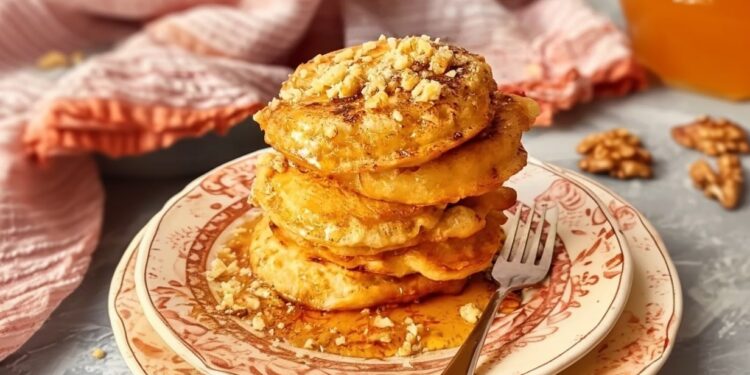
Honey cake is one of the oldest ideas in baking — honey was sweetening cakes long before sugar was affordable — and this old-fashioned honey and walnut version tastes like that history: warm with...
Marble cake is one of those cakes every Portuguese family seems to have a version of, and mine is no exception. Moist, fluffy, with those beautiful swirls of chocolate running through an orange-and-coconut batter...
© Maria’s Cookbook · Family recipes from Portugal, the Mediterranean and beyond. All rights reserved.