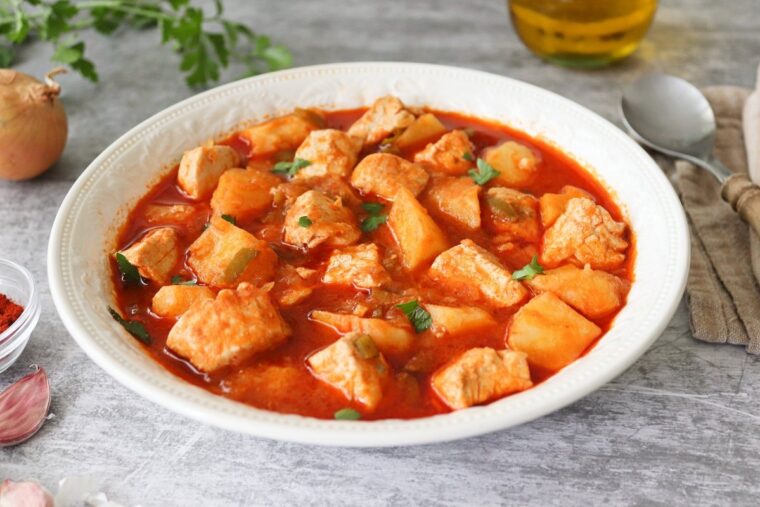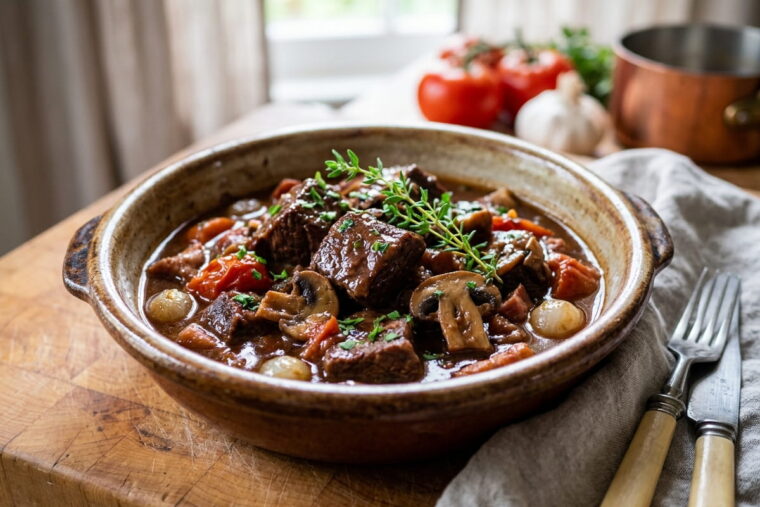
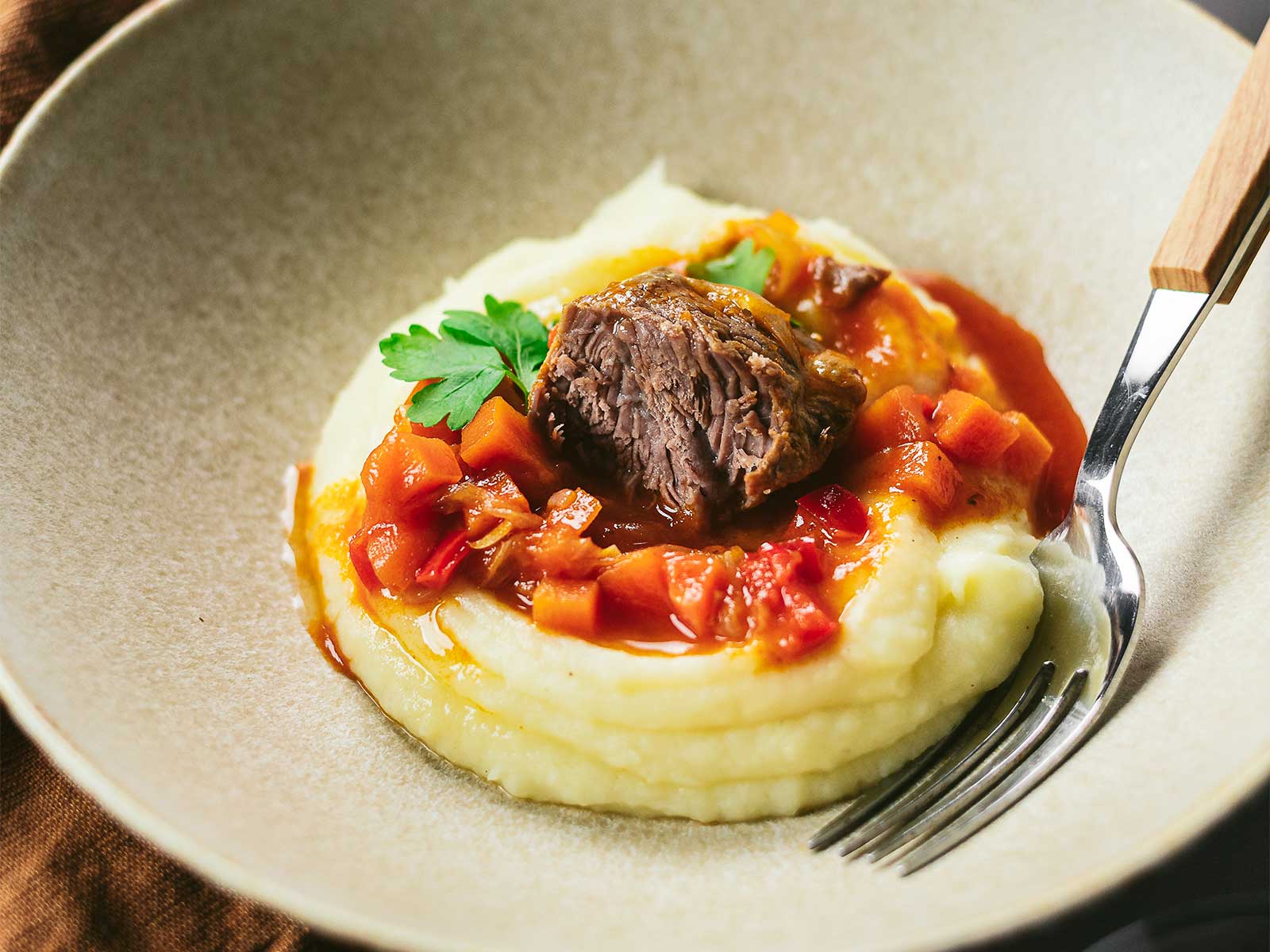
Bochechas de porco, pork cheeks, are a tasca favorite in northern Portugal.
They are not an obscure organ meat, just a cut most American butchers throw into the grinder without a second thought, treated the way it deserves to be treated: braised slowly in red wine until it falls apart.
Pork cheeks come from a muscle the animal uses constantly, which means they are tough if you rush them and extraordinary if you do not. Braised low and slow in red wine with garlic, bay leaf, and a soffrito of onion and carrot, the connective tissue melts down into a sauce so silky it barely needs thickening.
It is the same logic behind our rojões à moda do Minho and chanfana (recipes on the site): Portuguese cooks have always known that the toughest cuts, given enough time, become the most luxurious ones.
It is an excellent dinner party dish precisely because it improves overnight in the fridge, so all the real work can be done a day ahead. Serve it over good mashed potatoes.
Bochechas de Porco Estufadas Recipe
Ingredients
- 2 lbs pork cheeks, trimmed of excess silverskin
- Salt and black pepper, to taste
- 3 tbsp all-purpose flour, for dredging
- 3 tbsp olive oil
- 1 large onion, diced
- 2 carrots, diced
- 6 cloves garlic, minced
- 2 tbsp tomato paste
- 2 cups dry red wine
- 2 cups pork or beef stock
- 3 bay leaves
- 1 tsp smoked paprika
- 1 tsp piri-piri sauce or a pinch of red pepper flakes, optional
- Mashed potatoes, for serving
Instructions
- Season the pork cheeks well with salt and pepper, then dredge lightly in flour, shaking off the excess.
- Heat the olive oil in a Dutch oven over medium-high heat. Sear the pork cheeks in batches until deeply browned on both sides, about 3-4 minutes per side. Remove and set aside.
- Lower the heat to medium, add the onion and carrot to the same pot, and cook until softened, about 6 minutes. Add the garlic and tomato paste and cook 1 more minute, stirring constantly.
- Pour in the red wine, scraping up any browned bits from the bottom of the pot, and let it simmer for 2-3 minutes to cook off some of the alcohol.
- Return the pork cheeks to the pot along with the stock, bay leaves, smoked paprika, and piri-piri if using. The liquid should mostly cover the meat; top up with a little water if needed.
- Bring to a simmer, cover, and either transfer to a 300°F oven or keep on very low heat on the stovetop. Cook for 2.5-3 hours, until the pork cheeks are completely fork-tender.
- Remove the pork cheeks and, if the sauce is thin, simmer it uncovered over medium heat for 10-15 minutes to reduce and thicken. Discard the bay leaves.
- Return the pork cheeks to the sauce to warm through, then serve over mashed potatoes with plenty of sauce spooned over the top.
Enjoy our recipes? Add Maria’s Cookbook as a preferred source on Google to see more of our content in your search results.